What Is Included in an Auschwitz Tour from Krakow?
Discover what is included in a professional Auschwitz tour from Krakow. Learn about transport, licensed guides, entry requirements, and the differences between Auschwitz I and Birkenau.
What Is Included in an Auschwitz Tour from Krakow?
Planning a visit to the Auschwitz-Birkenau Memorial and Museum is a profound and often challenging experience that requires careful logistical preparation. When you book a professional Auschwitz tour from Krakow, you are not just purchasing a ticket, but a comprehensive service that ensures you can focus entirely on the historical and emotional significance of the site.
Round-Trip Transportation and Logistics
The first and perhaps most practical element included in your journey is the transportation from Krakow to Oświęcim, which is located approximately 70 kilometers (43 miles) west of the city. Depending on the type of service you choose, this usually involves a comfortable, air-conditioned minivan or bus. The drive typically takes between 1 hour 15 minutes to 1 hour 30 minutes, depending on traffic conditions.
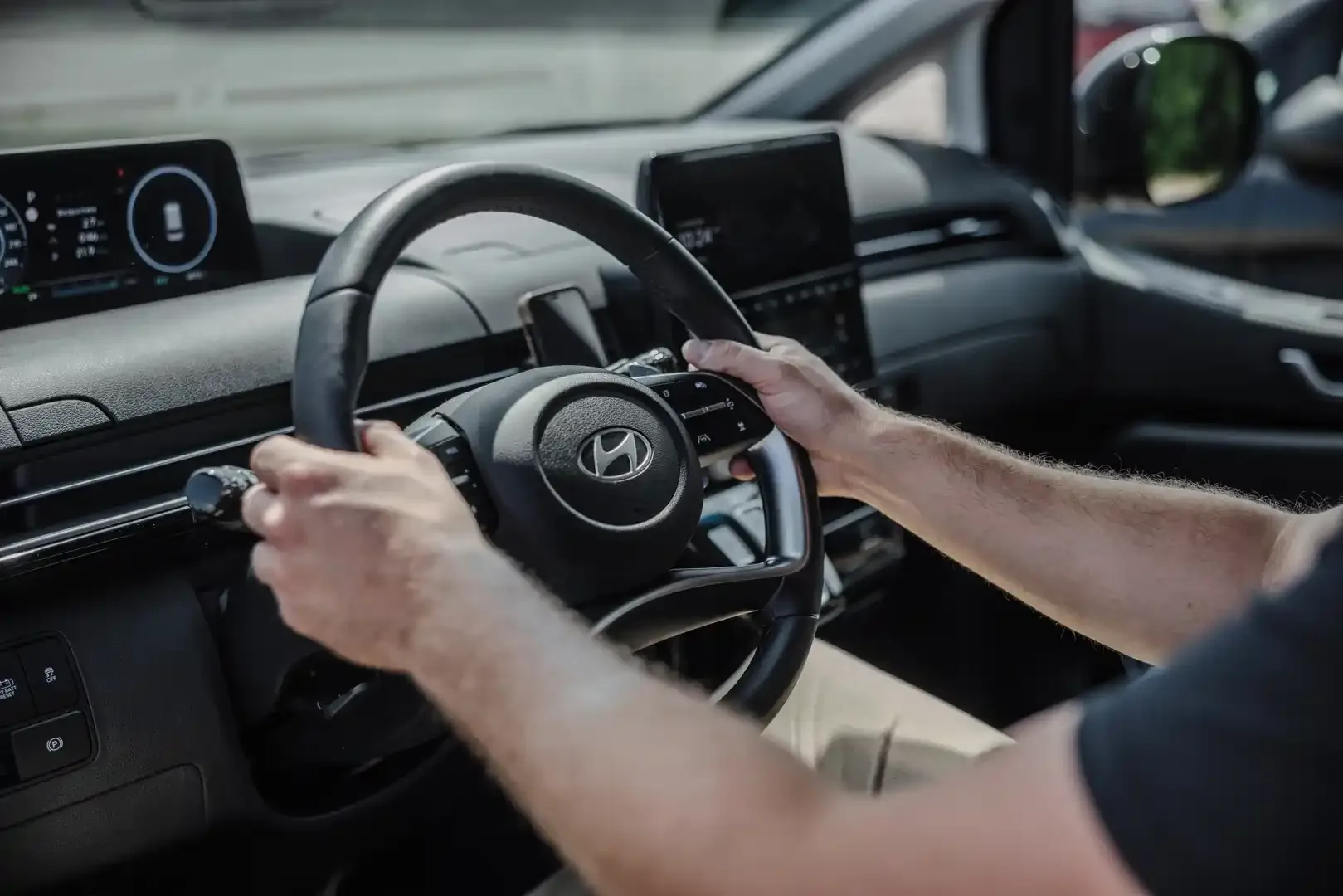
By opting for an organized tour, you eliminate the stress of navigating Polish public transport or finding parking near the museum, which can be notoriously difficult during peak seasons. Most professional services offer door-to-door pickup from your hotel or a centrally located meeting point in the Old Town or Kazimierz district. This logistical support ensures you arrive on time for your scheduled entry, which is critical because the museum operates on a very strict timed-entry system.
A Professional Guided Experience on Your Auschwitz Tour from Krakow
The core value of your visit lies in the educational narrative provided by a licensed Museum Educator. When you participate in an Auschwitz tour from Krakow, the cost generally includes the services of a guide who is officially certified by the Auschwitz-Birkenau State Museum. These educators undergo rigorous training to provide factual, sensitive, and context-heavy information that goes far beyond what you would find in a guidebook.
The standard guided tour is divided into two main parts:
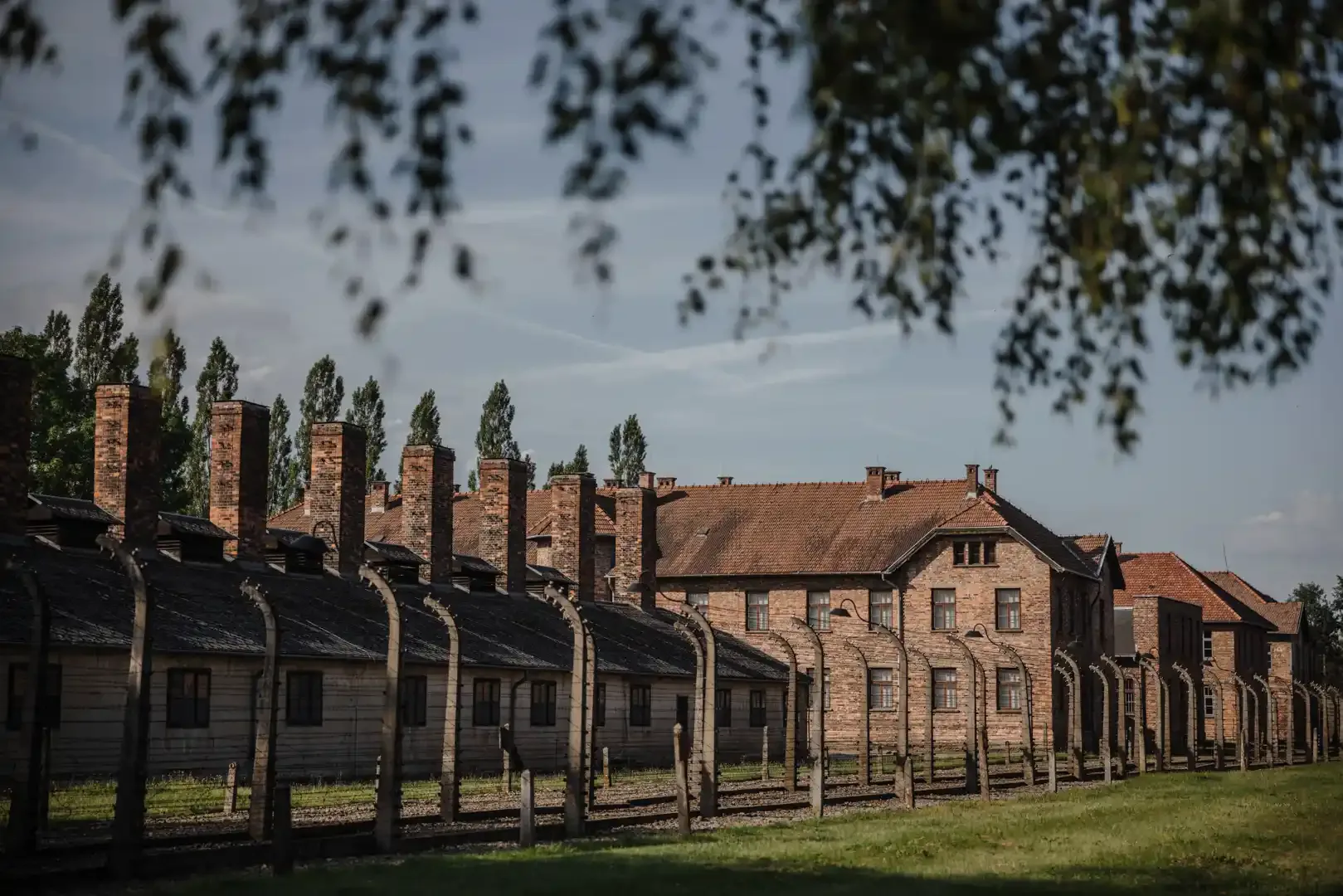
- Auschwitz I (The Stammlager): This is the original camp where you will spend about two hours. You will pass through the infamous "Arbeit macht frei" gate and visit various brick blocks containing permanent exhibitions. These displays include personal belongings of the victims—shoes, suitcases, and glasses—which serve as a haunting reminder of the scale of the tragedy. You will also see Block 11 (the "Death Block") and the only surviving gas chamber and crematorium in this part of the camp.
- Auschwitz II-Birkenau: After a short break, you will head to the vast site of Birkenau, located about 3 kilometers away. This was the primary site of the mass extermination of European Jews. You will see the iconic railway ramp where "selections" took place, the ruins of the massive gas chambers and crematoria blown up by the Nazis in an attempt to hide their crimes, and the wooden barracks that housed prisoners in unimaginable conditions.
To ensure you hear every word of the educator's commentary in the often-crowded museum environment, the tour includes a personal headset and receiver system. This allows you to maintain a respectful distance from the guide while still receiving the full historical lecture.
Entrance Fees and Mandatory Security Clearance
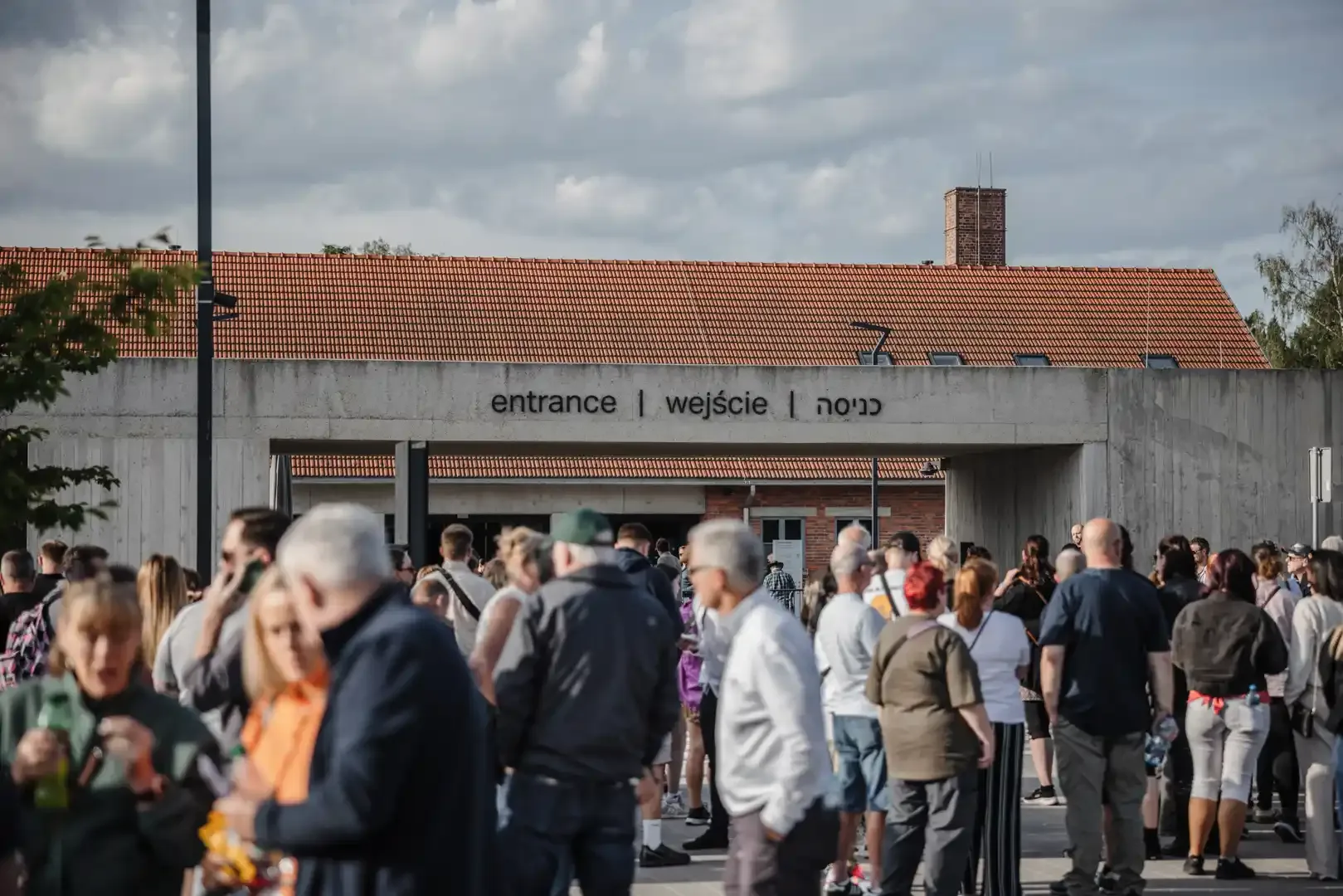
A significant benefit of an organized tour is the inclusion of pre-booked entry tickets. The Auschwitz-Birkenau Museum has a limited daily capacity, and tickets for individual visitors often sell out months in advance. When you book a tour, your "skip-the-line" entry is guaranteed for a specific time slot.
However, you must be aware of the strict security protocols that are part of the inclusion process. You are required to bring a valid photo ID (passport or national ID card) that matches the name on your reservation. Your tour package includes the coordination of these documents at the gate. Furthermore, the museum has a strict policy regarding luggage; you are only allowed to bring a small bag not exceeding the dimensions of 30x20x10 cm. If you bring a larger bag, your tour service will typically provide a safe place to store it in the vehicle during your visit.
Practical Amenities and Time Management
A standard tour from Krakow usually lasts between 6 and 7 hours in total. This timeframe includes the travel, the guided tours of both camps, and a 15–20 minute break between Auschwitz I and Birkenau. While meals are rarely included in the base price of a tour, most operators provide information on where you can grab a quick snack or offer the option to pre-order a lunch box.
Expertly managed tours also include the shuttle transfer between the two camps. While there is a public museum shuttle, it can be crowded; having your own dedicated transport waiting for you to move from the first site to the second saves time and physical energy, allowing you to remain focused on the educational aspect of the visit.
Summary
An organized visit to the Auschwitz-Birkenau Memorial and Museum provides the necessary structure to process a complex history. From the convenience of air-conditioned transport to the invaluable insights of a licensed educator and the guarantee of entry tickets, every element is designed to respect the solemnity of the site. By choosing a comprehensive package, you ensure that the logistical details are handled professionally, leaving you the mental space required for reflection and remembrance.
Keywords: Auschwitz, Auschwitz tour from Krakow